Health & Wellness
Jun 09, 2026
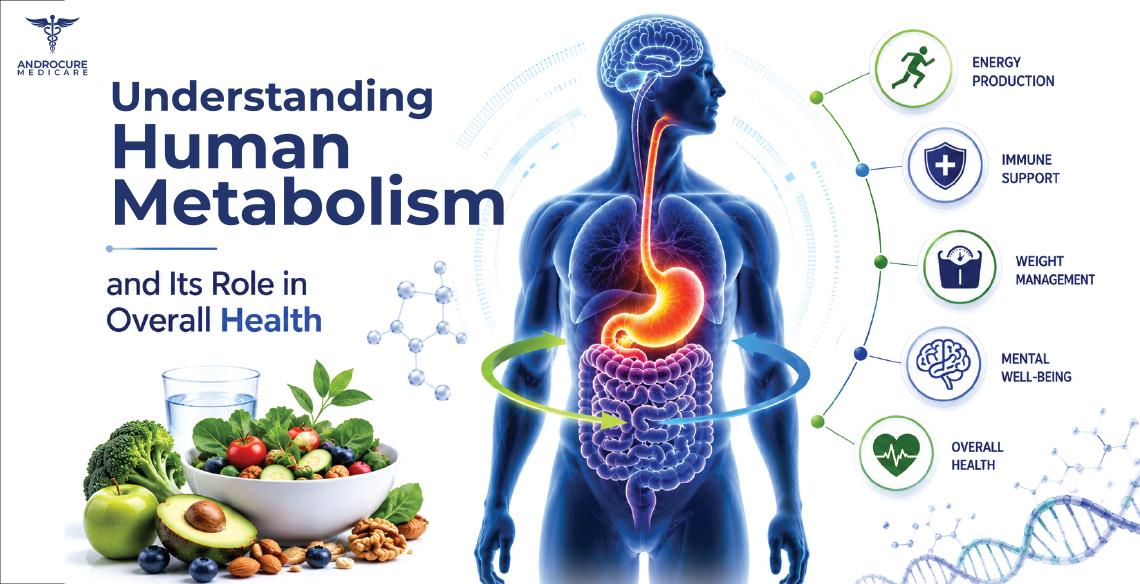
Understanding Human Metabolism and Its Role in Overall Health
Wellness tips for a healthier lifestyle.
When people hear the word "metabolism," they often associate it with weight loss or calorie burning. While metabolism certainly plays a major role in managing body weight, its importance goes far beyond that. Metabolism is the foundation of nearly every function within the human body. From breathing and digestion to muscle growth and energy production, metabolism keeps the body functioning efficiently every second of the day.
Understanding how metabolism works can help individuals make better lifestyle choices that support long-term health, energy levels, and overall well-being.
What Is Human Metabolism?
Human metabolism refers to the complex set of chemical reactions that occur within the body to convert food and beverages into energy. This energy is then used to support essential bodily functions such as breathing, blood circulation, cell repair, hormone production, and physical activity.
Even while sleeping or resting, the body continues to use energy to maintain vital functions. This constant energy demand is what makes metabolism such a critical process for survival.
Metabolism can be divided into two primary processes:
Catabolism
Catabolism is the process of breaking down nutrients from food into smaller molecules. During this process, energy is released and made available for the body's immediate needs.
Anabolism
Anabolism is the process of building and repairing tissues, muscles, bones, and cells. It uses the energy generated through catabolism to support growth and recovery.
Together, these processes create a balanced system that helps the body maintain optimal health.
How Does Metabolism Work?
Every time you eat, your digestive system breaks food down into nutrients such as carbohydrates, proteins, and fats.
These nutrients are absorbed into the bloodstream and transported to cells throughout the body. Inside the cells, nutrients are converted into energy through various biochemical reactions. This energy is measured in calories and is used to power every bodily function.
The body uses energy for:
Understanding how metabolism works can help individuals make better lifestyle choices that support long-term health, energy levels, and overall well-being.
What Is Human Metabolism?
Human metabolism refers to the complex set of chemical reactions that occur within the body to convert food and beverages into energy. This energy is then used to support essential bodily functions such as breathing, blood circulation, cell repair, hormone production, and physical activity.
Even while sleeping or resting, the body continues to use energy to maintain vital functions. This constant energy demand is what makes metabolism such a critical process for survival.
Metabolism can be divided into two primary processes:
Catabolism
Catabolism is the process of breaking down nutrients from food into smaller molecules. During this process, energy is released and made available for the body's immediate needs.
Anabolism
Anabolism is the process of building and repairing tissues, muscles, bones, and cells. It uses the energy generated through catabolism to support growth and recovery.
Together, these processes create a balanced system that helps the body maintain optimal health.
How Does Metabolism Work?
Every time you eat, your digestive system breaks food down into nutrients such as carbohydrates, proteins, and fats.
These nutrients are absorbed into the bloodstream and transported to cells throughout the body. Inside the cells, nutrients are converted into energy through various biochemical reactions. This energy is measured in calories and is used to power every bodily function.
The body uses energy for:
- Breathing
- Maintaining body temperature
- Blood circulation
- Brain function
- Muscle movement
- Digestion
- Cell growth and repair
- Hormone production
- Immune system support
The number of calories your body burns at rest is known as your Basal Metabolic Rate (BMR). BMR accounts for the majority of the calories your body uses each day.
Key Factors That Affect Metabolism
No two individuals have exactly the same metabolic rate. Several factors influence how efficiently the body burns calories and produces energy.
Age
As people get older, muscle mass naturally declines and metabolic activity may slow down. This is one reason why maintaining a healthy weight often becomes more challenging with age.
Muscle Mass
Muscle tissue burns more calories than fat tissue, even while resting. Individuals with greater muscle mass generally have a higher metabolic rate.
Physical Activity
Regular exercise increases energy expenditure and helps improve overall metabolic function. Strength training is particularly effective for maintaining muscle mass and supporting long-term metabolic health.
Genetics
Genetic factors can influence how quickly or slowly the body processes nutrients and converts them into energy.
Hormones
Hormones produced by the thyroid gland and other endocrine organs play a significant role in regulating metabolism. Hormonal imbalances can affect energy levels, appetite, and body weight.
Nutrition
A balanced diet rich in protein, healthy fats, complex carbohydrates, vitamins, and minerals provides the nutrients necessary for efficient metabolic processes.
Sleep Quality
Poor sleep can negatively affect hormones that regulate hunger, energy expenditure, and metabolism.
Why Metabolism Is Important for Overall Health
Metabolism impacts much more than body weight. A healthy metabolism supports numerous aspects of physical and mental well-being.
Energy Production
Metabolism converts food into the energy needed to perform daily activities, exercise, and essential bodily functions.
Weight Management
A properly functioning metabolism helps the body use calories efficiently, making it easier to maintain a healthy body composition.
Muscle Growth and Recovery
Metabolic processes provide the energy and nutrients required for muscle repair and development after physical activity.
Hormonal Balance
Many hormones rely on healthy metabolic function for production, regulation, and distribution throughout the body.
Immune System Support
The immune system requires a consistent supply of energy to protect the body from infections and illnesses.
Cellular Repair
Every day, the body repairs damaged tissues and replaces old cells. Metabolism provides the resources needed for these essential maintenance processes.
Brain Function
The brain is one of the body's most energy-demanding organs. Healthy metabolism helps support focus, concentration, memory, and cognitive performance.
Signs of an Unhealthy Metabolism
A sluggish or impaired metabolism may contribute to various symptoms, including:
- Constant fatigue
- Difficulty losing weight
- Increased body fat accumulation
- Reduced physical performance
- Frequent hunger cravings
- Sensitivity to cold temperatures
- Slow recovery from exercise
- Low energy levels throughout the day
While these symptoms can have multiple causes, they may indicate that metabolic health needs attention.
How to Support a Healthy Metabolism Naturally
Fortunately, there are several practical ways to support healthy metabolic function.
Prioritize Protein Intake
Protein requires more energy to digest compared to fats and carbohydrates. It also helps preserve lean muscle mass, which contributes to a higher metabolic rate.
Stay Physically Active
Combining cardiovascular exercise with strength training can improve calorie expenditure and support long-term metabolic health.
Get Enough Sleep
Adults should aim for seven to nine hours of quality sleep each night. Proper sleep helps regulate hormones that influence metabolism and appetite.
Stay Hydrated
Water is essential for many metabolic reactions within the body. Even mild dehydration can impact energy production.
Manage Stress Levels
Chronic stress can increase cortisol levels, which may negatively affect metabolism and overall health.
Eat Nutrient-Dense Foods
A diet rich in fruits, vegetables, lean proteins, whole grains, and healthy fats provides the nutrients needed for optimal metabolic performance.
Maintain Muscle Mass
Strength training exercises help preserve and build muscle, which supports a higher resting metabolic rate.
The Connection Between Metabolism and Long-Term Wellness
Metabolism influences virtually every aspect of health. When metabolic processes function efficiently, the body is better equipped to maintain energy levels, regulate hormones, support immunity, and manage body weight.
Healthy lifestyle habits such as balanced nutrition, regular exercise, quality sleep, proper hydration, and stress management can contribute significantly to metabolic health and overall wellness.
Rather than focusing solely on calorie burning, individuals should view metabolism as a comprehensive system that powers every function necessary for life.
Final Thoughts
Human metabolism is one of the body's most important biological systems. It transforms nutrients into energy, supports growth and repair, regulates vital functions, and plays a central role in maintaining overall health.
By understanding how metabolism works and adopting healthy lifestyle habits, individuals can support optimal metabolic function and improve their long-term physical and mental well-being. A healthy metabolism is not just about managing weight—it's about providing the foundation for a healthier, more energetic, and productive life.